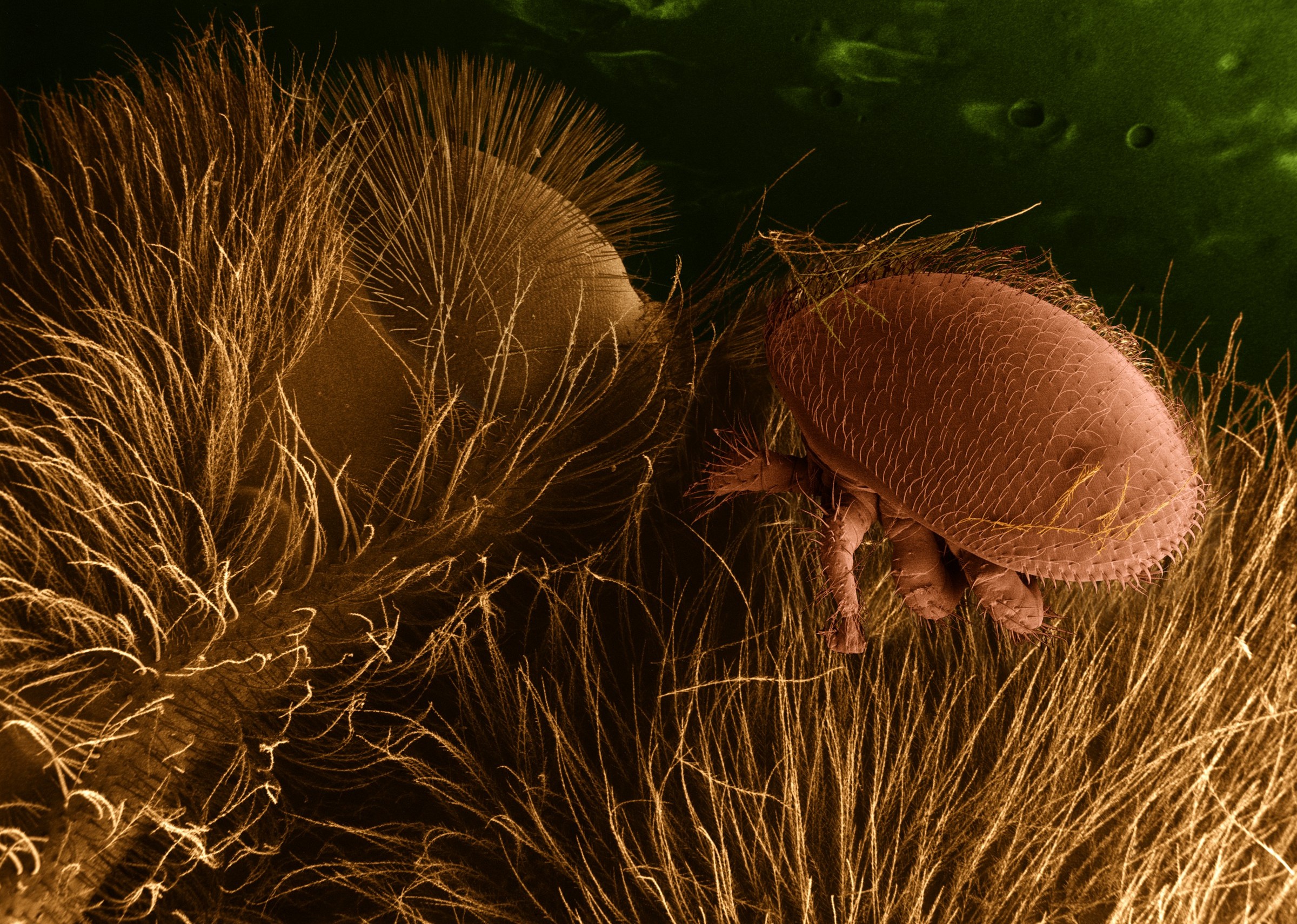
Pest Management
Varroa Mite Treatment: A Practical Guide for Romanian Beekeepers
Timing, product selection, and application methods for controlling Varroa destructor across the annual beekeeping calendar.
Read article →Seasonal inspection schedules, varroa control, disease identification, and practical notes from Romanian apiaries — documented in plain language.
Untreated infestations reach lethal thresholds within two to three seasons. Treatment timing — not just product choice — determines whether colonies survive winter in good condition. This guide covers when and how to apply the main options used across Romanian apiaries.
Read the treatment guide
Timing, product selection, and application methods for controlling Varroa destructor across the annual beekeeping calendar.
Read article →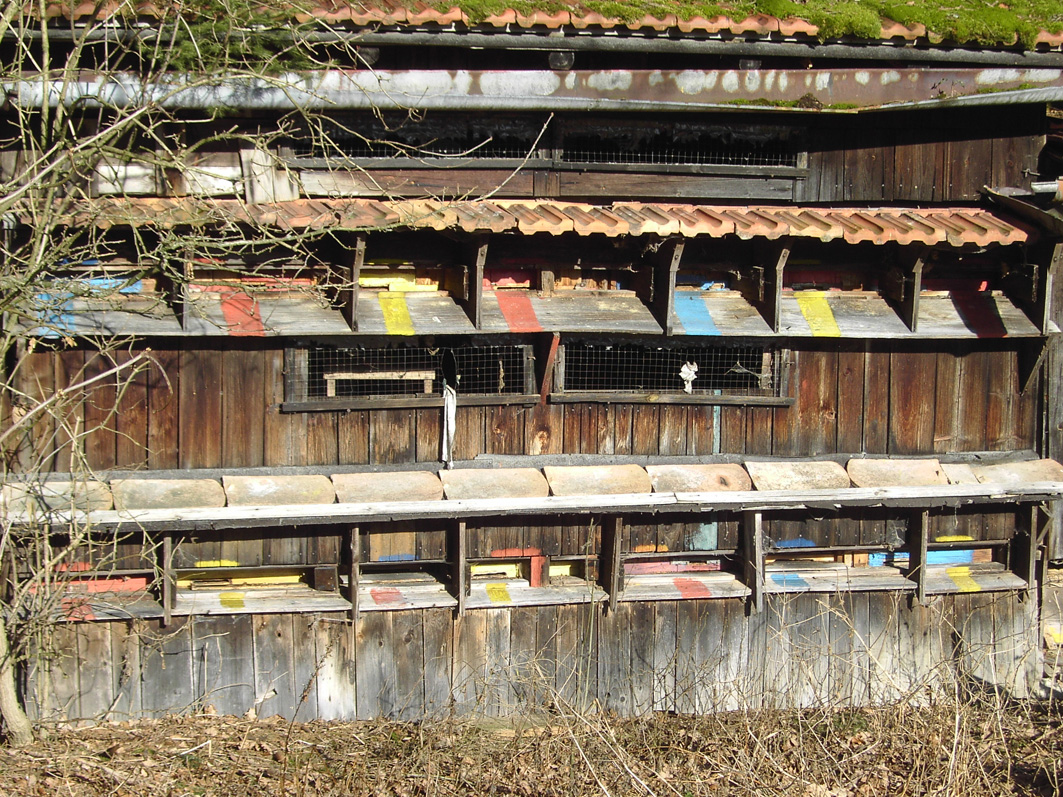
A structured month-by-month inspection framework used in Romanian apiaries, from the first spring check through autumn preparation.
Read article →
Overview of nosemosis, American foulbrood, European foulbrood, and sacbrood — with practical notes on diagnosis and intervention.
Read article →Acacia forests in the Carpathian foothills and linden stands along river valleys give Romanian honey a distinct character. The country's beekeeping tradition goes back centuries, yet modern colonies face the same mite and disease pressures found across the continent. The information collected here reflects that reality.
About Baylark
Reading cluster strength after winter, identifying queen problems early, and deciding which colonies need supplemental feeding before the first flow.
Inspection guide →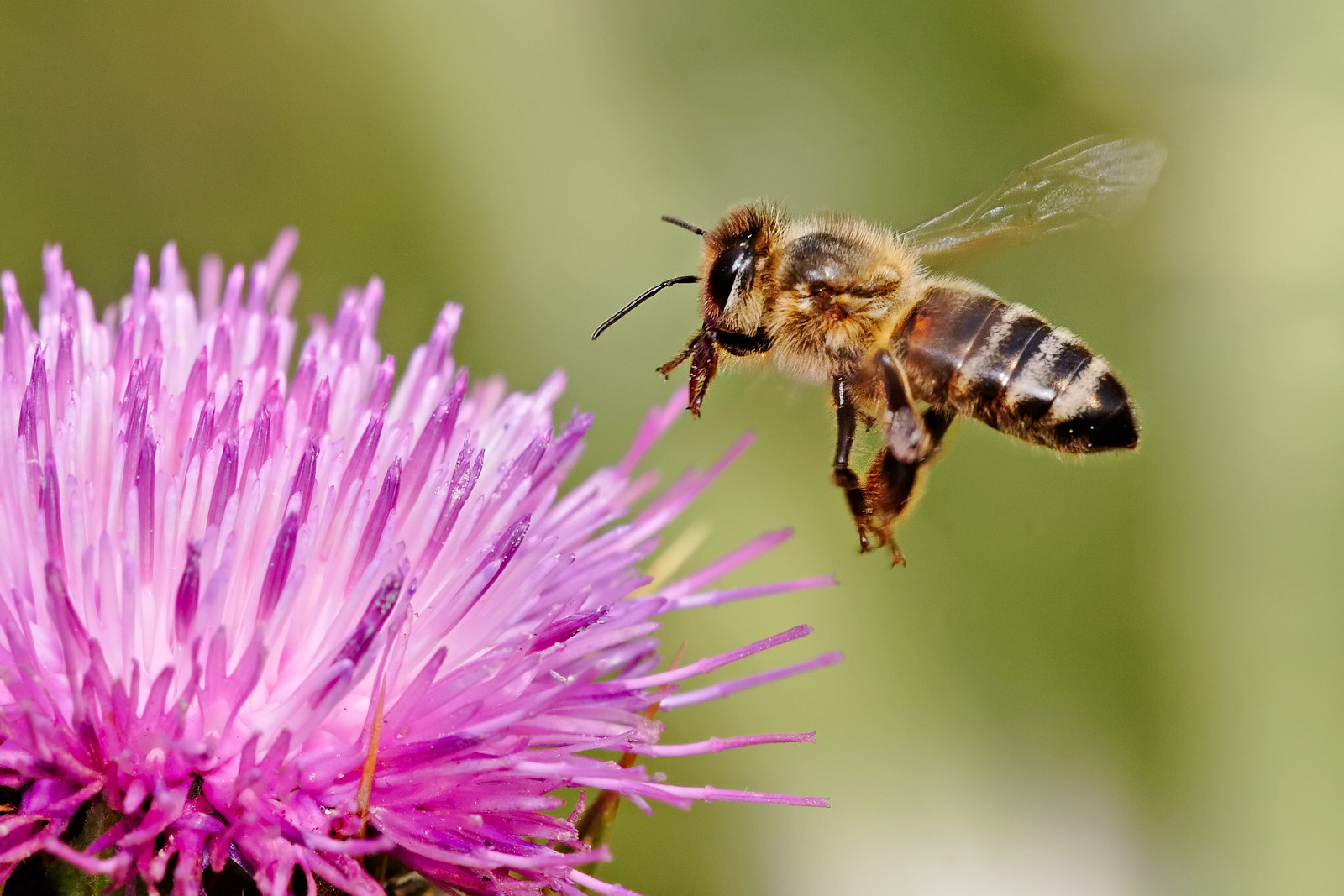
Alcohol wash and sticky board counts during the active season — thresholds, frequency, and deciding when summer treatment is warranted despite honey supers.
Mite control →
The August–September post-harvest interval is the most important treatment window of the year. Winter bees raised on clean brood at this stage determine colony survival.
Treatment timing →American foulbrood spores survive in old equipment for decades. Nosema depresses colony development in late winter when it's least expected. Early visual checks during routine inspections remain the most effective tool available to most beekeepers.
Colony disease guide