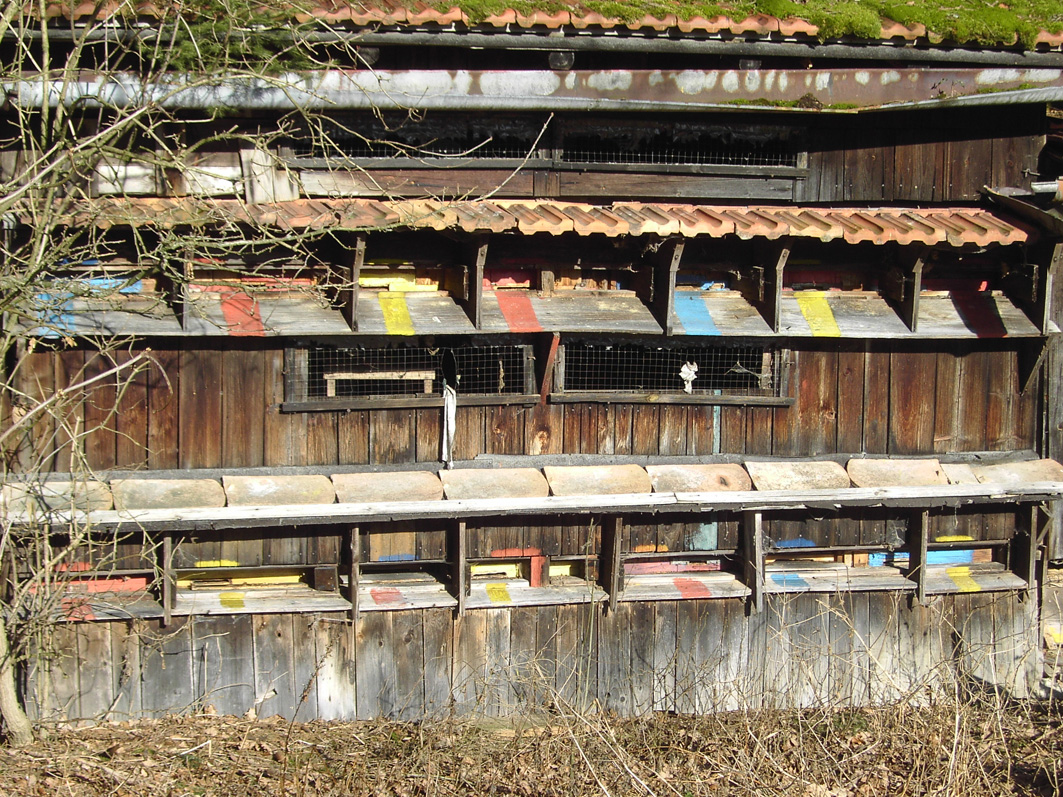
Routine inspection is the core of practical apiculture. Most disease outbreaks, queen problems, and mite infestations that end in colony loss could have been caught earlier with a structured approach to what gets checked and when. The framework here reflects common practice in Romanian apiaries and accounts for the country's climate — cold winters in the Carpathian regions, warm dry summers in the lowlands, and a flowering calendar that shapes every major beekeeping decision.
Before opening any hive: basic equipment and documentation
A consistent inspection habit requires consistent tools. Romanian beekeepers working apiaries of 10 or more hives typically keep a notebook per apiary with one line per colony per inspection date. At minimum, that line should record: queen status (present / suspected absent / verified laying), brood pattern (solid / scattered / chalk-like / ropy), mite wash result if taken, and any intervention performed.
Equipment check before each inspection season:
- Smoker — ensure it produces cool white smoke; hot smoke injures bees
- Hive tool — cleaned with a propolis-removing solvent between apiaries to avoid disease transfer
- Personal protective equipment in good repair
- Alcohol or washing liquid + jar for mite wash samples
February–March: winter cluster assessment
The first check of the year is not a full inspection — it is a survival assessment. On the first mild day above 10°C, briefly lift the crown board. Look for:
- Cluster position: a cluster pressed hard against the top bars with no honey visible above has likely exhausted winter stores and needs emergency fondant or dry sugar immediately.
- Signs of dysentery: brown streaking on the inner cover or frames indicates nosema or excessive protein fermentation in winter feed. Note the colony for follow-up after full spring flight.
- Dead-outs: colonies that did not survive. Remove dead combs promptly; American foulbrood spores in old combs remain viable for 40–50 years.
Do not pull frames in February. The cluster must not be broken during cold weather.
April: first full spring inspection
When daytime temperatures reliably reach 14–16°C and bees are returning with pollen (usually April across most of Romania, earlier in the south), it is appropriate to conduct the first full inspection of the year.
What to assess
- Colony strength: Count occupied frames. A colony covering 4 frames is weak; 6–7 is average; 8+ is strong. Weak colonies need assessment — is the queen present? Is the colony still viable?
- Queen presence and brood pattern: Look for eggs (visible as small white grains standing upright in cells). An even, compact brood pattern on most cells of a frame indicates a well-functioning queen. A scattered pattern with empty cells throughout — sometimes called a "shotgun" brood — suggests disease, a failing queen, or queenlessness.
- Food stores: Each occupied comb should have honey or pollen in at least some cells. Colonies light on stores in April need stimulation feeding — a light sugar syrup (1:1 water:sugar) triggers foraging and brood expansion.
- First mite wash: The April wash establishes the baseline mite load for the season. A result above 1% in April warrants attention; it usually means the autumn treatment was insufficient.
An April inspection that takes 10 minutes per hive prevents problems that would take hours to address in June.
May–June: swarm season management
May and early June mark peak swarming pressure in Romanian apiaries. Colonies building strongly after the acacia bloom (mid-May in most of the country) frequently produce queen cells if space is insufficient. Inspect every 7–10 days during this period.
What to look for
- Queen cells: Sealed queen cells on the face of a comb (as opposed to the bottom edge) are emergency cells, produced when a colony has lost its queen unexpectedly. Queen cells on the bottom edges or sides of brood combs are swarm cells. Finding sealed swarm cells means the swarm has either already departed or is imminent.
- Congestion: If every frame is covered and the bees appear overcrowded at the entrance on warm evenings, adding a super or a second brood box is appropriate. Congestion is one of the primary swarm triggers.
- Supering: Add honey supers before the flow starts, not after. Bees exploring an empty super before nectar arrives are more likely to use it efficiently than bees offered space mid-flow when curing and capping occupy most of the workforce.
July: mid-season check and mite monitoring
July is the month between major flows in most Romanian regions — after acacia, before the late linden and wildflower flows in some areas. It is also the period when mite populations have been building for 3–4 months and are approaching the range where monitoring is essential.
- Conduct an alcohol wash on all colonies. Any result at or above 2% warrants action planning — not necessarily immediate treatment if supers are still on, but a documented target date.
- Check food stores if no flow is ongoing. Colonies in a dearth period will consume reserves quickly and may start robbing weaker neighbors.
- Look for signs of European foulbrood — sunken, discolored larvae with a twisted appearance in uncapped cells. EFB increases during nutritional stress periods, which summer dearths can create.
August–September: post-harvest critical window
This is the most consequential inspection and management window of the entire beekeeping year. Winter bees — the long-lived fat-body-rich bees that will form the winter cluster and raise spring brood — begin to be reared from mid-August. The quality of those bees is determined by mite load and nutritional state right now.
Inspection checklist for August
- Remove honey supers after the last flow. Do not leave extracted supers wet on the hive overnight — this triggers robbing.
- Take an alcohol wash mite count as soon as supers are off. This number determines which treatment protocol is appropriate.
- Assess winter food stores. A colony in Romania typically needs 15–20 kg of honey equivalent to survive from October through March. If stores are insufficient, begin winter feeding with thick syrup (2:1 sugar:water) while temperatures allow bees to process it.
- Begin varroa treatment. See the treatment guide for options appropriate at this time of year.
October–November: closing down
By late October, brood rearing is winding down in most Romanian apiaries and inspections become briefer. The goal is to confirm:
- The colony has adequate food stores for winter — hefting the hive (judging weight by lifting the rear) is faster than a full inspection and avoids chilling the cluster.
- The entrance is reduced to protect against mice, which will attempt to enter warm hives as temperatures drop.
- Ventilation is adequate but wind protection is in place — moisture accumulation kills more Romanian colonies than cold alone.
- If a winter oxalic acid treatment is planned (December–January), note which colonies are still showing brood so you can time the application to the broodless period.
Record-keeping: what works in practice
The most effective inspection records are simple enough to be kept consistently. A paper notebook per apiary with columns for colony number, date, queen status, brood quality, estimated food stores, mite wash result, and action taken covers all the information needed to make good decisions. Digital apiary management apps exist but the choice of tool matters less than the habit of recording every inspection, even when nothing appears wrong.
Looking back at records from two or three seasons allows patterns to emerge: which colonies consistently perform well, which require repeated interventions, and whether the mite management calendar is actually working as intended.